Introduction
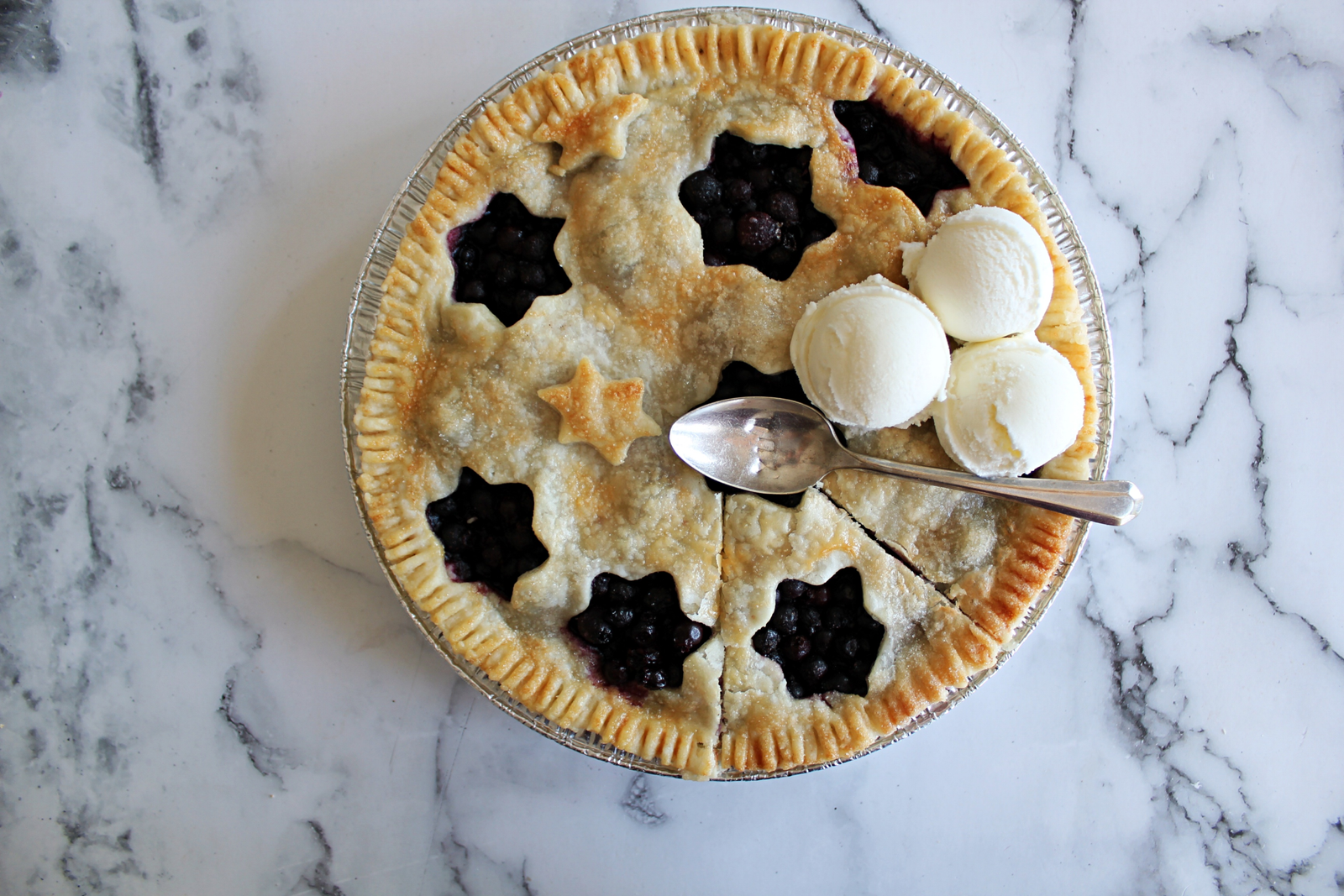
A flaky pie crust is the foundation of a great homemade pie. Whether you are baking an apple pie, pumpkin pie, cherry pie, or a savory pie, the crust plays an important role in the final result. A well-made pie crust should hold its shape, bake evenly, and provide a crisp, flaky texture that complements the filling.
Many home bakers believe making pie crust from scratch is difficult, but the process becomes simple when you follow the correct steps. Using cold ingredients, handling the dough carefully, and allowing enough chilling time are the keys to success.
This guide explains how to make a perfect flaky pie crust with easy-to-follow instructions, baking tips, and solutions to common problems.
Why Make Homemade Pie Crust?
Homemade pie crust offers several advantages over store-bought options.
Benefits include:
- Fresh ingredients
- Better flavor
- Flaky texture
- Custom thickness
- Suitable for sweet and savory pies
- Easy to prepare in advance
Making your own crust also allows you to control the quality of every ingredient.
Ingredients
Gather all ingredients before you begin.
Pie Crust Ingredients
- 2½ cups all-purpose flour
- 1 teaspoon salt
- 1 tablespoon granulated sugar (optional for sweet pies)
- 1 cup unsalted butter, cut into small cubes and chilled
- 6–8 tablespoons ice water
Cold ingredients are essential for creating flaky layers.
Equipment Needed
Prepare the following tools:
- Large mixing bowl
- Measuring cups
- Measuring spoons
- Pastry cutter or fork
- Rolling pin
- Plastic wrap
- Pie dish
- Baking sheet
- Parchment paper
Step 1: Mix the Dry Ingredients
In a large bowl, combine:
- Flour
- Salt
- Sugar (if using)
Whisk until evenly mixed.
Step 2: Add the Cold Butter
Add the chilled butter cubes to the flour mixture.
Use a pastry cutter or two forks to mix until the butter forms small pea-sized pieces throughout the flour.
Do not melt or soften the butter.
Step 3: Add Ice Water
Add one tablespoon of ice water at a time while gently mixing.
Continue adding water until the dough begins to come together.
Avoid adding more water than necessary.
Step 4: Form the Dough
Transfer the mixture onto a clean surface.
Press the dough together gently.
Do not knead the dough, as this develops gluten and can make the crust tough.
Divide the dough into two equal portions if making a double-crust pie.
Step 5: Chill the Dough
Wrap each portion tightly in plastic wrap.
Refrigerate for at least one hour.
Chilling allows the butter to firm up and relaxes the gluten, making the dough easier to roll.
Step 6: Roll Out the Dough
Lightly flour your work surface.
Roll the dough from the center outward.
Rotate the dough occasionally to maintain a round shape.
Roll until the dough is about ⅛ inch thick.
Step 7: Transfer to the Pie Dish
Carefully lift the rolled dough and place it into the pie dish.
Press it gently into the bottom and sides.
Avoid stretching the dough, as it may shrink during baking.
Trim the excess edges if necessary.
Step 8: Add the Filling
Fill the pie crust with your prepared filling.
For double-crust pies, place the second crust on top and seal the edges.
Cut a few small slits in the top crust to allow steam to escape.
Step 9: Bake the Pie
Bake according to your pie recipe.
Many fruit pies bake at 375°F (190°C) for 45–60 minutes, depending on the filling.
The crust should become golden brown before removing it from the oven.
Blind Baking a Pie Crust
Some pie recipes require the crust to be baked before adding the filling.
How to Blind Bake
- Place parchment paper over the crust.
- Fill with pie weights or dried beans.
- Bake for 15–20 minutes.
- Remove the weights.
- Continue baking until lightly golden if required.
Blind baking helps prevent a soggy bottom crust.
Tips for a Flaky Pie Crust
Follow these tips for better results.
- Keep the butter cold.
- Use ice water.
- Handle the dough gently.
- Chill the dough before rolling.
- Avoid overmixing.
- Roll the dough evenly.
- Preheat the oven before baking.
These techniques help create distinct flaky layers.
Common Pie Crust Mistakes
Avoid these common mistakes.
Using Warm Butter
Warm butter blends into the flour instead of creating flaky layers.
Adding Too Much Water
Too much water makes the dough sticky and can result in a tough crust.
Overworking the Dough
Excess mixing develops gluten and reduces flakiness.
Skipping the Chilling Time
Warm dough becomes difficult to roll and may shrink while baking.
Stretching the Dough
Stretching causes the crust to pull back during baking.
Storage Tips
Store pie dough properly to maintain quality.
- Refrigerate the dough for up to 3 days.
- Freeze wrapped dough for up to 3 months.
- Thaw frozen dough in the refrigerator before use.
Prepared pie crusts can also be frozen before baking.
Best Fillings for Homemade Pie Crust
This flaky crust pairs well with many fillings.
Popular options include:
- Apple
- Cherry
- Blueberry
- Peach
- Pumpkin
- Pecan
- Lemon
- Chocolate cream
- Banana cream
- Mixed berries
The same crust also works well for savory pies.
Frequently Asked Questions
Why is my pie crust not flaky?
The most common reasons are warm butter, overmixing, or adding too much water.
Can I make pie dough ahead of time?
Yes. Refrigerate it for up to three days or freeze it for several months.
Why does my pie crust shrink?
Shrinking usually happens when the dough is stretched or not chilled before baking.
Can I use salted butter?
Yes, but reduce the added salt in the recipe to balance the flavor.
Should I chill the dough before baking?
Yes. Chilling helps the butter remain cold, which creates a flaky texture during baking.
Conclusion
A perfect flaky pie crust starts with simple ingredients and careful preparation. Using cold butter, ice water, gentle mixing, and proper chilling helps create a crust with a crisp texture and even layers. Whether you are baking fruit pies, cream pies, or savory dishes, mastering this homemade pie crust recipe will improve your baking results. With practice and attention to detail, you can prepare a flaky pie crust that becomes the perfect base for every homemade pie.