Introduction
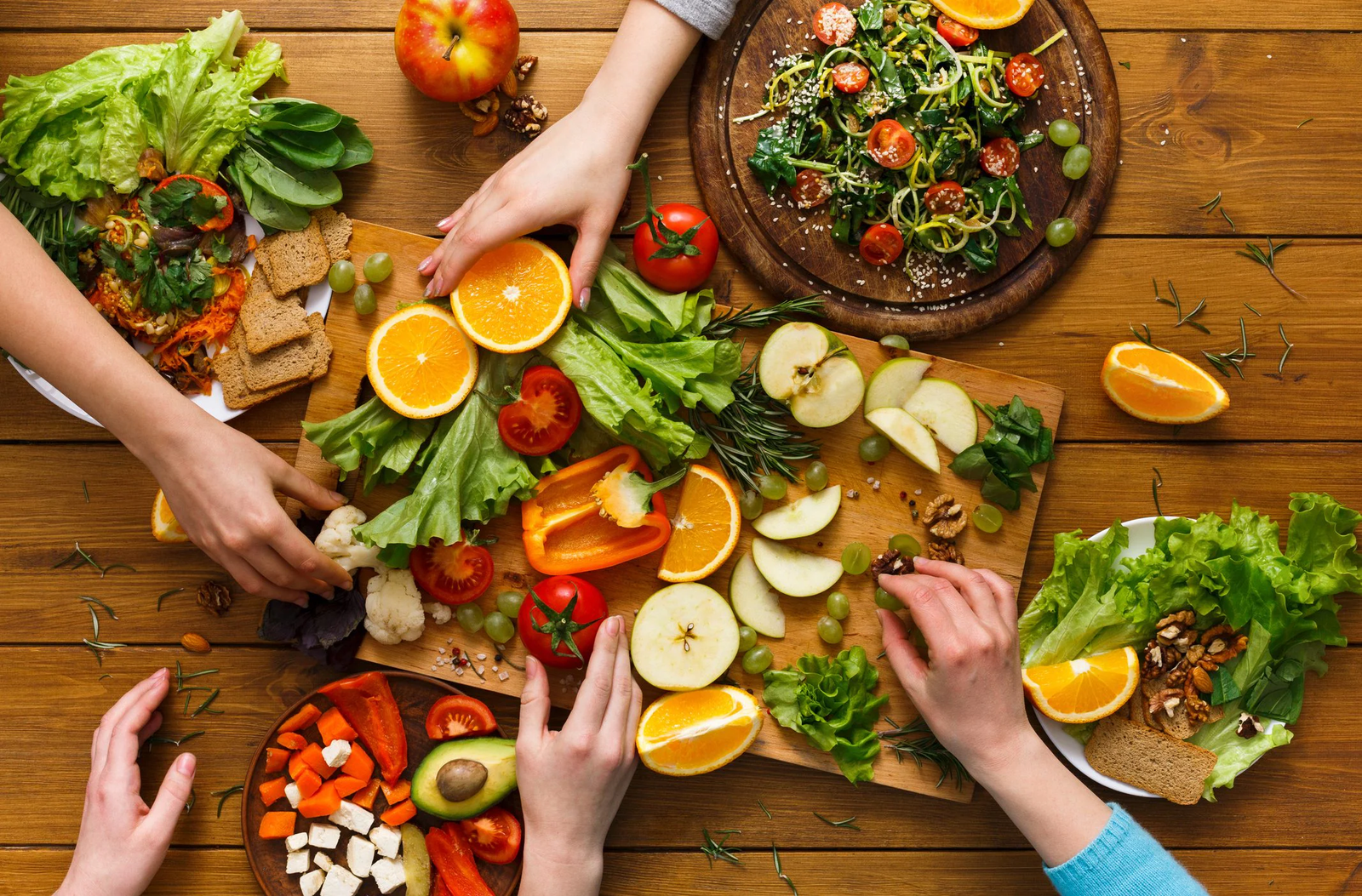
Eating healthy foods every day is one of the best ways to support your body and maintain a balanced lifestyle. The foods you choose provide energy, vitamins, minerals, fiber, protein, and healthy fats that help your body perform everyday functions. A balanced diet does not require expensive ingredients or complicated meal plans. Instead, it focuses on including a variety of nutritious foods in your daily routine.
Choosing healthy foods consistently can improve digestion, support heart health, strengthen bones and muscles, and help maintain energy throughout the day. Fresh fruits, vegetables, whole grains, lean proteins, dairy products, and healthy fats all contribute to better nutrition.
This guide highlights the top 10 healthy foods you should eat every day, explains their nutritional value, and shares simple ways to include them in your meals.
Why Eating Healthy Foods Is Important
Healthy foods supply the nutrients your body needs to function properly.
Benefits include:
- Better energy levels
- Improved digestion
- Support for heart health
- Strong bones and muscles
- Better immune function
- Healthy skin
- Improved concentration
- Support for weight management
Eating a variety of foods also helps ensure your body receives essential nutrients.
1. Leafy Green Vegetables
Leafy greens are rich in vitamins, minerals, and fiber.
Examples include:
- Spinach
- Kale
- Lettuce
- Swiss chard
- Cabbage
Ways to Eat
- Add to salads.
- Mix into soups.
- Include in sandwiches.
- Blend into smoothies.
- Cook as a side dish.
2. Berries
Berries contain vitamins, fiber, and antioxidants.
Popular choices include:
- Blueberries
- Strawberries
- Raspberries
- Blackberries
Ways to Eat
- Mix with yogurt.
- Add to oatmeal.
- Blend into smoothies.
- Eat as a snack.
3. Oats
Oats provide fiber and complex carbohydrates that support steady energy.
Ways to Eat
- Oatmeal
- Overnight oats
- Smoothies
- Homemade granola
- Healthy muffins
Oats are suitable for breakfast and snacks.
4. Eggs
Eggs are an excellent source of protein and essential nutrients.
Ways to Eat
- Boiled
- Scrambled
- Omelets
- Sandwiches
- Salads
They fit well into breakfast, lunch, or dinner.
5. Greek Yogurt
Greek yogurt contains protein and calcium.
Ways to Eat
- Breakfast bowls
- Smoothies
- Fruit parfaits
- Healthy desserts
Choose plain yogurt to reduce added sugar.
6. Nuts
Nuts provide healthy fats, protein, and fiber.
Popular choices include:
- Almonds
- Walnuts
- Pistachios
- Cashews
- Pecans
Enjoy a small handful as a daily snack.
7. Salmon
Salmon is rich in protein and omega-3 fatty acids.
Ways to Eat
- Grilled
- Baked
- Salads
- Rice bowls
- Sandwiches
Aim to include fish in your weekly meal plan.
8. Sweet Potatoes
Sweet potatoes contain fiber, vitamins, and carbohydrates.
Ways to Eat
- Baked
- Mashed
- Roasted
- Added to soups
They pair well with vegetables and lean proteins.
9. Beans and Lentils
Beans and lentils are rich in protein, fiber, and minerals.
Popular varieties include:
- Black beans
- Kidney beans
- Chickpeas
- Lentils
- Pinto beans
Use them in soups, salads, rice dishes, or wraps.
10. Apples
Apples provide fiber and vitamins while making a convenient snack.
Ways to Eat
- Fresh
- Fruit salad
- Oatmeal topping
- Smoothies
- Peanut butter snack
Apples are easy to carry and require little preparation.
How to Include Healthy Foods Every Day
Adding nutritious foods to your routine can be simple.
Try these ideas:
- Start the day with oatmeal and fruit.
- Add vegetables to lunch and dinner.
- Choose fruit instead of sugary snacks.
- Include protein with every meal.
- Drink water throughout the day.
- Keep healthy snacks available.
Small daily habits help build long-term consistency.
Healthy Meal Ideas
Breakfast
- Oatmeal with berries
- Greek yogurt with fruit
- Boiled eggs with whole-grain toast
Lunch
- Grilled chicken salad
- Lentil soup
- Brown rice with vegetables
Dinner
- Baked salmon
- Sweet potatoes
- Steamed vegetables
Snacks
- Apple slices
- Mixed nuts
- Yogurt
- Fresh berries
Healthy Eating Tips
Follow these simple tips:
- Eat a variety of foods.
- Choose whole grains.
- Include vegetables with every meal.
- Drink enough water.
- Limit highly processed foods.
- Read food labels.
- Plan meals in advance.
- Cook more meals at home.
Consistency is more important than making major changes all at once.
Common Healthy Eating Mistakes
Avoid these mistakes:
- Skipping meals
- Drinking sugary beverages regularly
- Eating oversized portions
- Relying on processed snacks
- Ignoring fruits and vegetables
- Not drinking enough water
Making gradual improvements can lead to better eating habits.
Frequently Asked Questions
Which healthy food should I eat every day?
Leafy vegetables, fruits, whole grains, lean proteins, yogurt, and nuts are excellent choices for daily meals.
How many servings of fruits and vegetables should I eat?
Include fruits and vegetables with every meal whenever possible to increase your daily intake.
Are nuts healthy?
Yes. Nuts provide healthy fats, protein, and fiber. Eat moderate portions as part of a balanced diet.
Is oatmeal a healthy breakfast?
Yes. Oats provide fiber and long-lasting energy, making them a nutritious breakfast option.
Can healthy eating help improve energy?
A balanced diet with whole foods, protein, healthy fats, and complex carbohydrates supports consistent energy throughout the day.
Conclusion
Including healthy foods in your daily routine is one of the simplest ways to improve your overall lifestyle. Leafy green vegetables, berries, oats, eggs, Greek yogurt, nuts, salmon, sweet potatoes, beans, lentils, and apples provide essential nutrients that support energy, digestion, heart health, and overall wellness. By planning balanced meals, choosing whole foods, and maintaining healthy eating habits, you can build a sustainable diet that supports long-term health and helps you feel your best every day.